pharmaceutical machineries, packing materials and
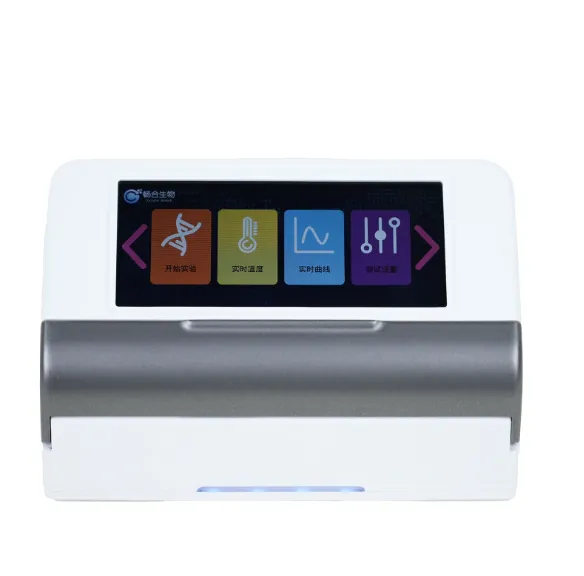
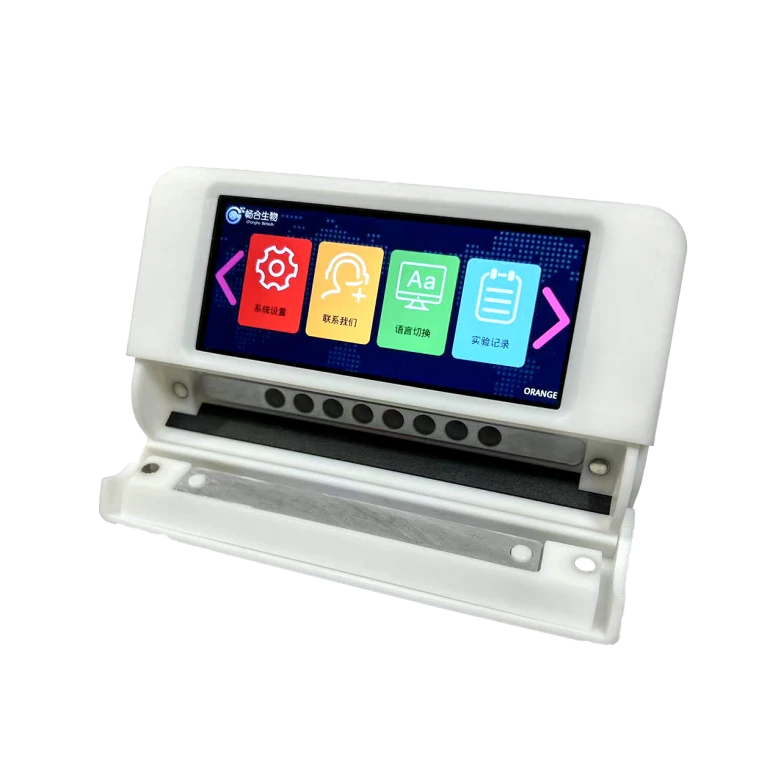
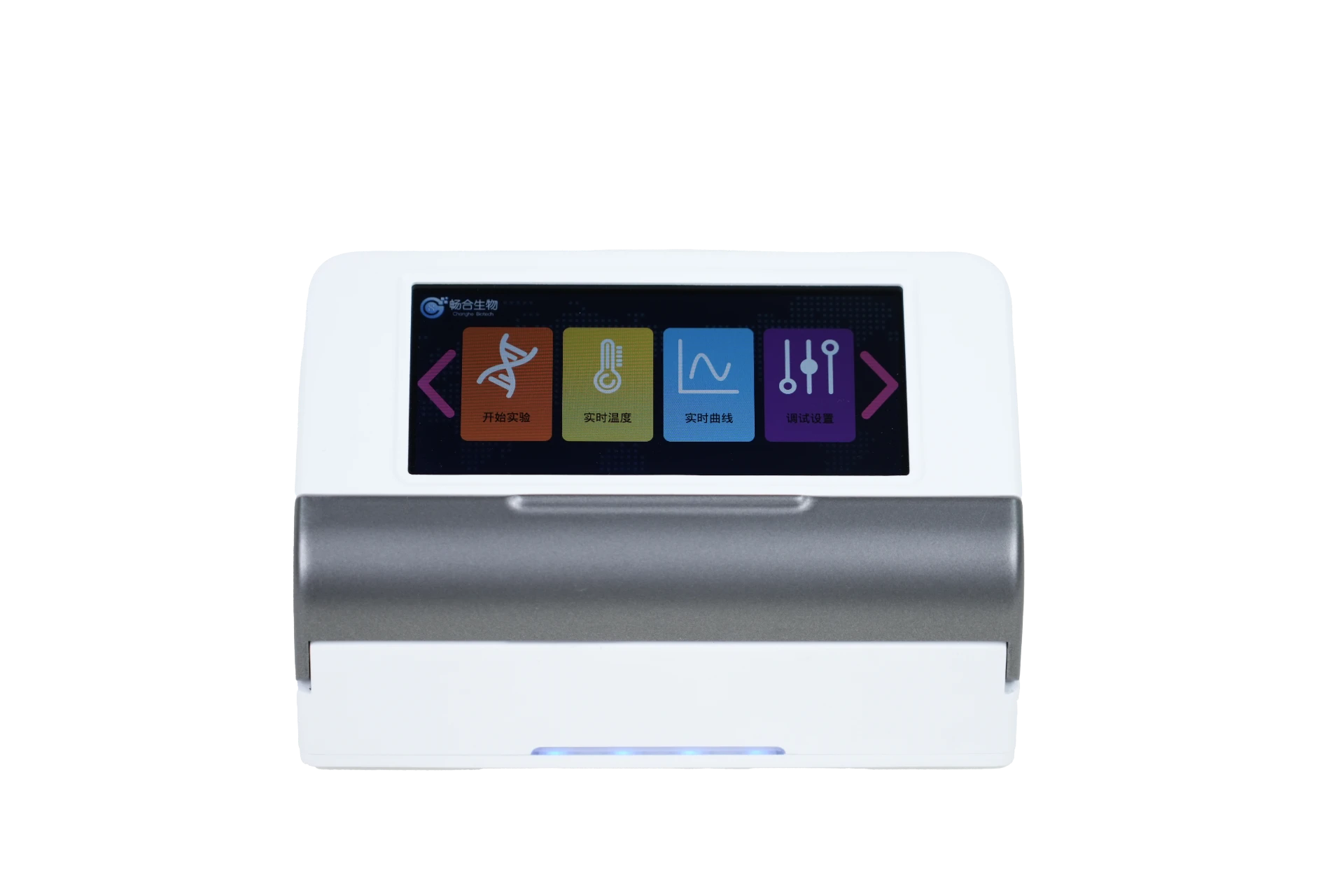

pequenos amostradores de ar
Continuous Sampling for Real-World Air: An Insider’s Take on the LCA-1-300 For anyone who’s battled with intermittent samplers and messy media swaps, this is refreshing: if your job depends on precise bioaerosol detection , the LCA-1-300 wet-cyclone unit deserves a hard look. It comes out of FLOOR 7, NO.1588 HUHANG ROAD, SHANGHAI, CHINA, and, to be honest, it feels like a product designed by engineers who’ve actually stood in gown rooms and noisy mechanical spaces. What It Is (and what it isn’t) The LCA-1-300 Continuous bioaerosol sampler uses wet-cyclone impact technology to actively pull ambient air, concentrating biological particles into a dedicated sampling solution. Actually, that auto-replenishing solution feature matters more than it sounds—less fiddling and fewer chances to introduce contamination mid-run. For routine bioaerosol detection in pharma cleanrooms, hospitals, high-traffic transport hubs, and even wastewater facilities, continuous capture is a real advantage over purely batch approaches. Industry trends I keep hearing about Shift to continuous bioaerosol detection aligned with real-time infection risk management (ASHRAE 241, anyone?). Wet-cyclone uptake in labs needing higher recovery for fragile organisms versus harsh dry filters. More integrators asking for API-friendly hardware and traceable QA data trails. Product specs (field notes in plain English) Parameter LCA-1-300 (≈) Sampling principle Wet cyclone (impaction) into liquid medium Nominal flow ≈300 L/min (stable under typical lab AHU drift) Cutoff/efficiency d50 ≈1.0 µm; >80–95% for 1–5 µm in internal tests Media handling Automatic solution replenishment; low-touch swaps Materials (wetted) 316L SS, PTFE lines, autoclavable cup (where applicable) Noise/power ≈58–62 dBA at 1 m; 100–240 VAC, 200–300 W Service life Blower ≈20,000 h; seals/gaskets annual replacement Certs Manufacturer ISO 9001; CE/RoHS on request Real‑world use may vary by altitude, humidity, and aerosol composition. Process flow: from air to answer Materials: 316L chamber, PTFE tubing, sterile sampling solution (per lab SOP). Methods: continuous cyclone capture → aliquot transfer → culture/qPCR/ATP immunoassay. Testing standards: align sampling plan with ISO 14698; interpret with NIOSH NMAM guidance; infection control under ASHRAE 241. QA: field blanks, spike recoveries (e.g., 1 µm PSL), and flow verification (weekly). Service life: quarterly cleaning; annual seal kit; calibration every 12 months. Industries: pharma/biologics, hospitals, airports, food plants, wastewater, animal facilities, research labs, smart buildings. Application scenarios and feedback Cleanrooms: routine bioaerosol detection near fill-finish lines; fewer line stops for media swaps. Hospitals: corridor sentinel monitoring; early-warning trend charts (surprisingly helpful in flu season). Transit/venues: event-based risk profiling; adjust ventilation on evidence, not hunches. What customers say: “Less babysitting.” “Data feels more continuous, less choppy.” “Media top-ups without opening the enclosure—nice.” Vendor snapshot (quick compare) Model Principle Flow (≈) Continuous? Consumables LCA-1-300 Wet cyclone 300 L/min Yes (auto-replenish) Low; solution only Brand A Impinger Liquid impinger 12–25 L/min Limited Bottles, glassware Brand B Filter Cassette Dry membrane 2–10 L/min No Filter packs (higher) Values indicative; real-world use may vary by aerosol load, humidity, and SOP. Test data, standards, and customization In-house tunnel tests with 1 µm PSL spheres showed ≈90%±5% liquid-phase recovery at 300 L/min; bacterial recovery depends on organism viability (not a shock). Labs often ask for custom media cups, remote alarms, and Modbus/REST hooks—available on request. For regulated sites, teams usually map this to ISO 14698 environmental monitoring, consult NIOSH NMAM for method selection, and tick infection-control boxes under ASHRAE 241. If you need Chinese-market conformity, GB/T 18204.5 sampling practices are commonly referenced. Mini case notes Pharma fill-finish, Suzhou: continuous bioaerosol detection around Grade B corridor reduced manual swap interruptions; QA reported steadier trend baselines across shifts. University hospital ER, Madrid: weekend surge monitoring; facility team adjusted ACH setpoints on alerts and saw fewer culture “dry spells” (those annoying false negatives). Where to start If your monitoring feels episodic and you’re chasing trends, a wet-cyclone continuous approach is worth piloting. Set clear SOPs, log blanks, keep calibration honest—and let the data speak. Authoritative citations ISO 14698-1/2: Cleanrooms and associated controlled environments — Biocontamination control. NIOSH Manual of Analytical Methods, 5th Ed., Bioaerosol Sampling (NMAM Chapter BA). ASHRAE Standard 241-2023: Control of Infectious Aerosols. GB/T 18204.5-2013: Examination methods for public places — Part 5: Airborne microorganism.
Our newsletters, the latest information about our products, news and special offers.
Click for manual-
 personnel
The company introduces a large number of talents, researches projects and is responsible for customers
-
Research
Professional research project team for different customer needs
-
technology
New technology transformation mode,research high quality products


The application prospect of bioaerosol sampler will further grow.